Maintaining clinical device safety with HCD for Generative AI use cases
ThermoFisher Scientific
ThermoFisher Scientific is a global clinical science organization with a clear mission – enable its customers in research to solve for making the world healthier, cleaner, and safer. However, as a global organization building medical devices to support this mission, TFS must adhere to regional regulatory standards to ensure that its products are safe, effective, and consistent.
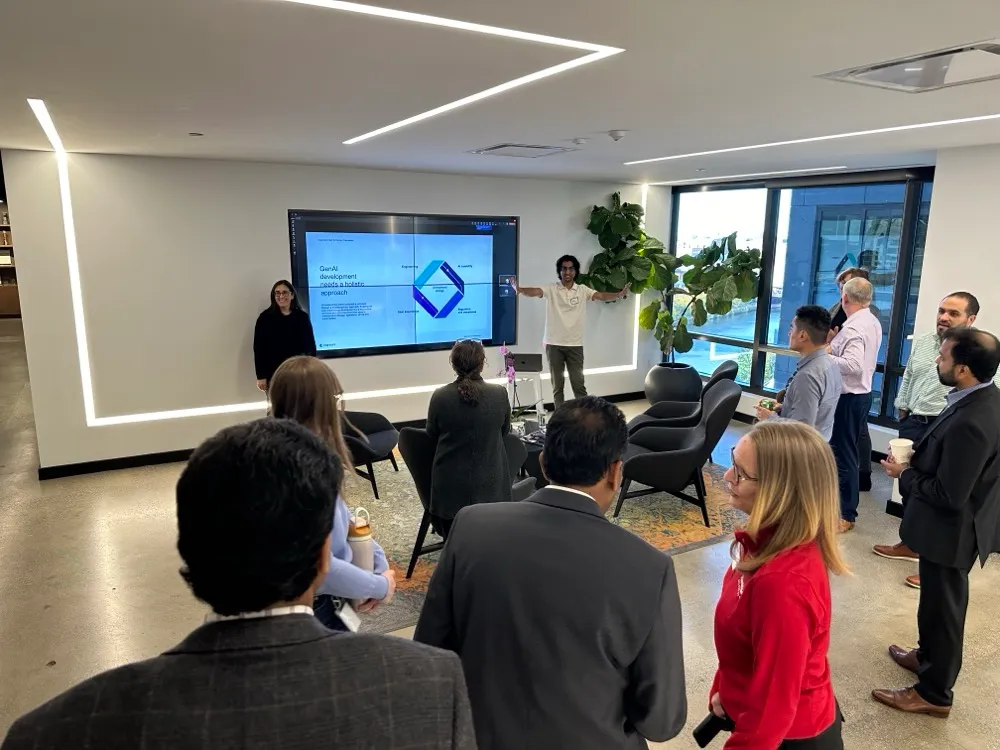
I was roped into a 6-hour in-person workshop as a Design-GenAI SME for Cognizant. Upon ingesting the knowledge surrounding this problem space, I led a design team to imagine experiences that aim to address the pain points identified for Quality auditees. This was a 1-week rapid prototyping activity that we put forward, and were able to establish our strategic thinking approaches as a capability in our partnership with TFS.
Immersion into the clinical device problem space
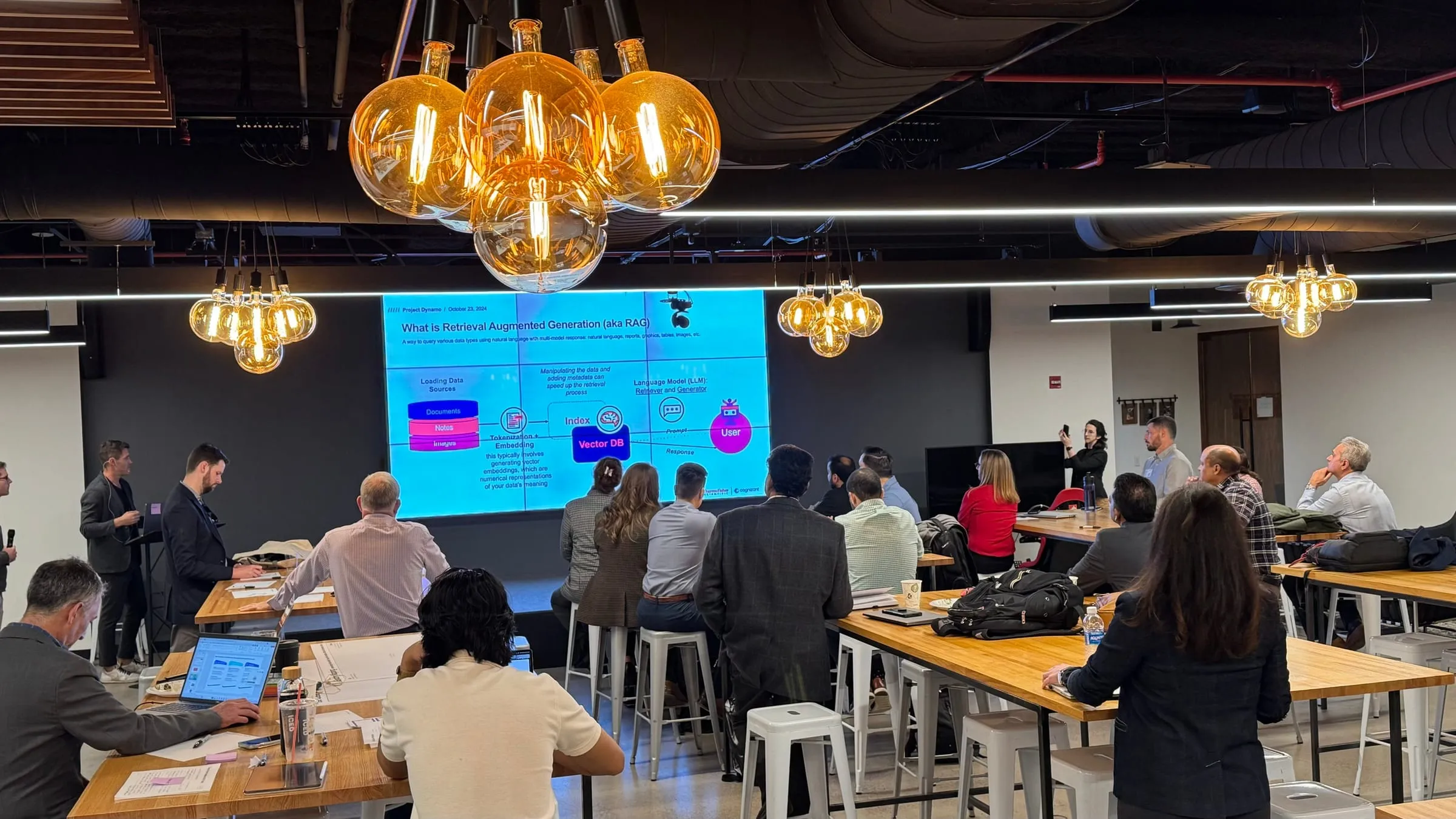
Our Cognizant studio in Chicago serves as a hub for our world-class product, design, and engineering teams to collaborate directly with our clients on building software to meet their needs. TFS was invited along with their Quality, Safety, and Regualtory teams to identify challenges that our teams could solve for through proposed strategic initiatives.
While playing a minor role in sharing a demo I had created of a veterinary multimodal AI experience, I was able to learn about the problem statement ultimately affecting Quality teams:
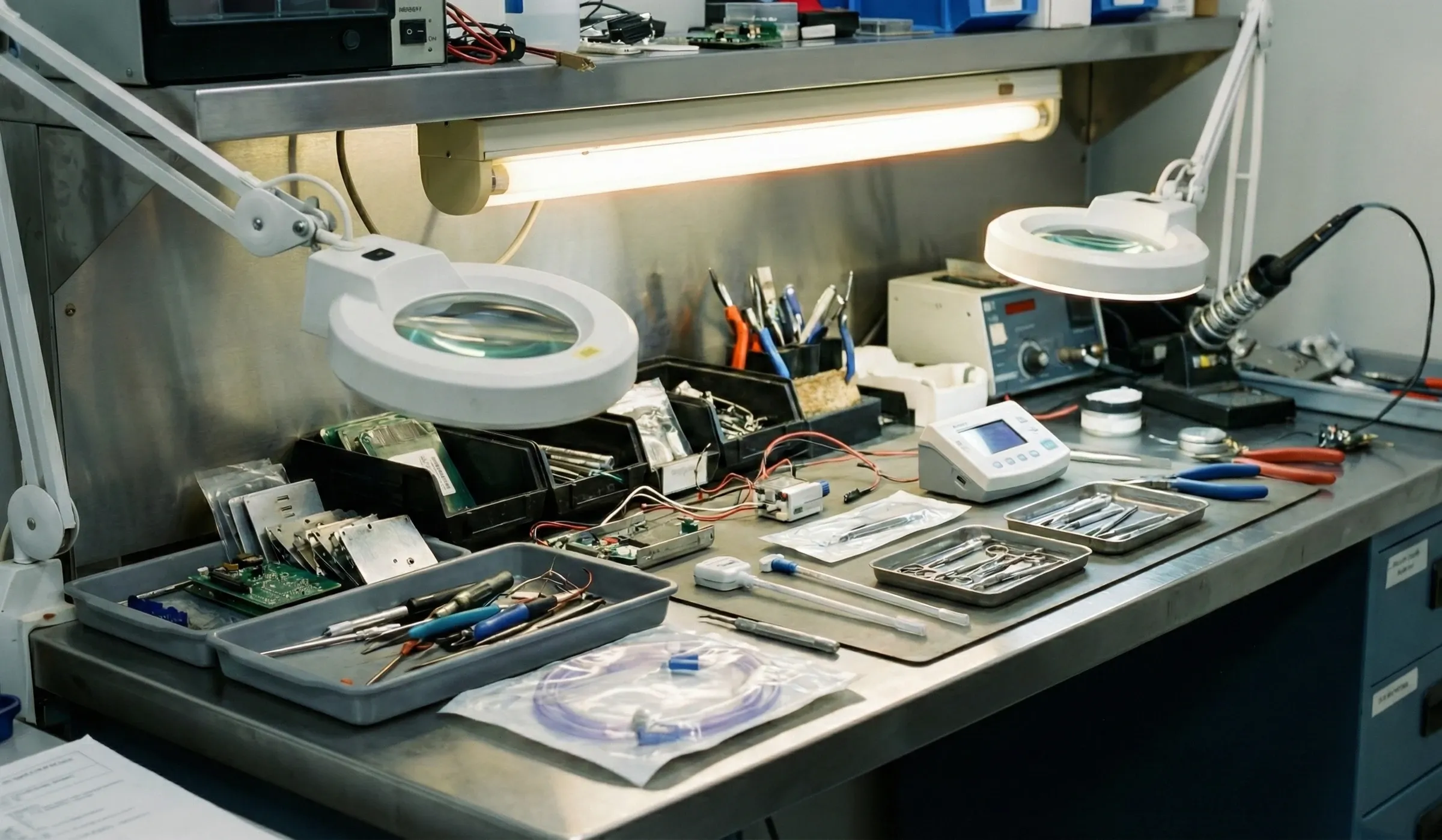
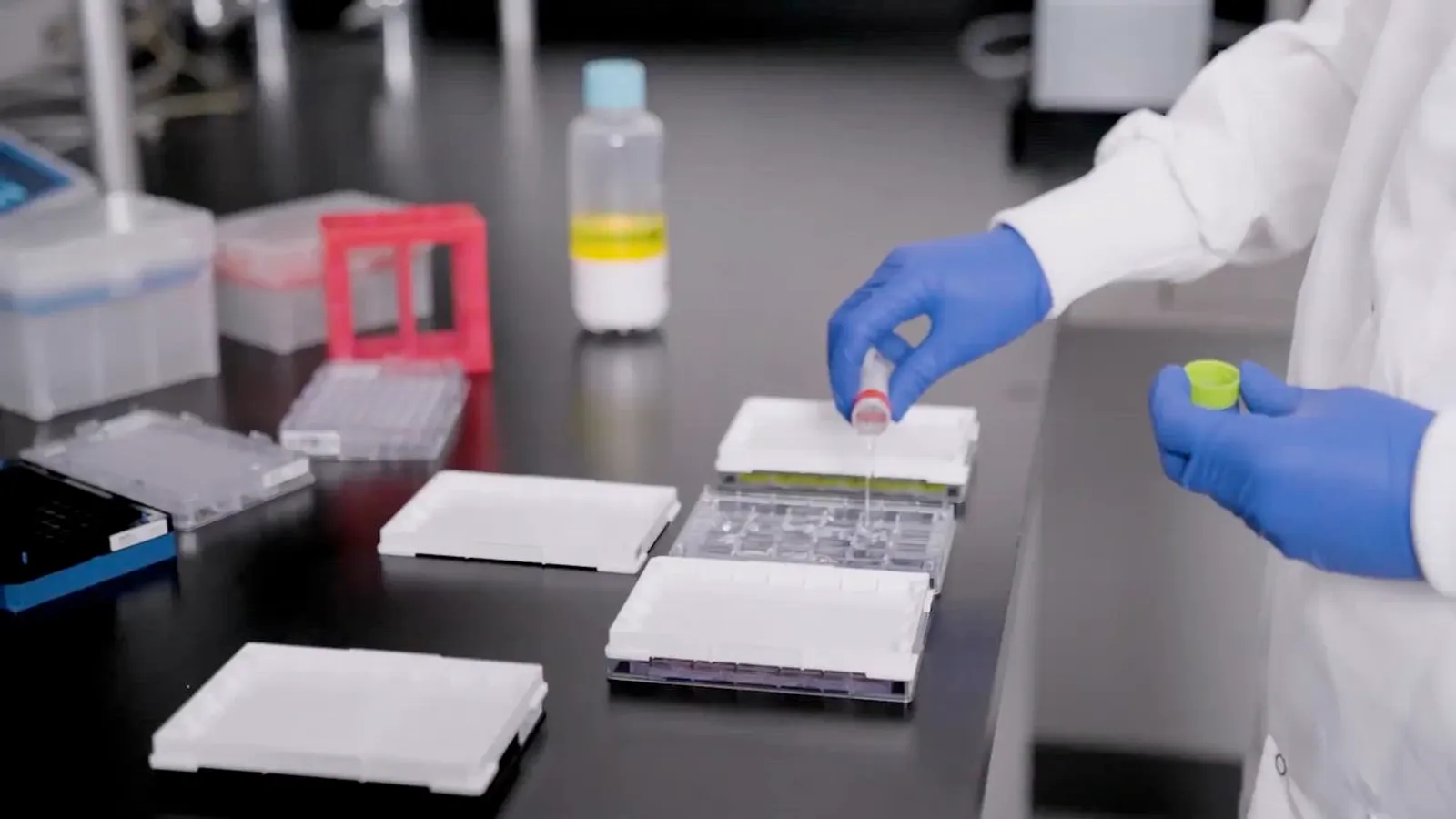
TFS devices, from incubators and cold storage to concentrators and lab shakers, must all undergo processes for both internal and external audits. Quality and device operation owners ultimately struggle with the complexity, strain, and workload required to successfully navigate these audit programs.
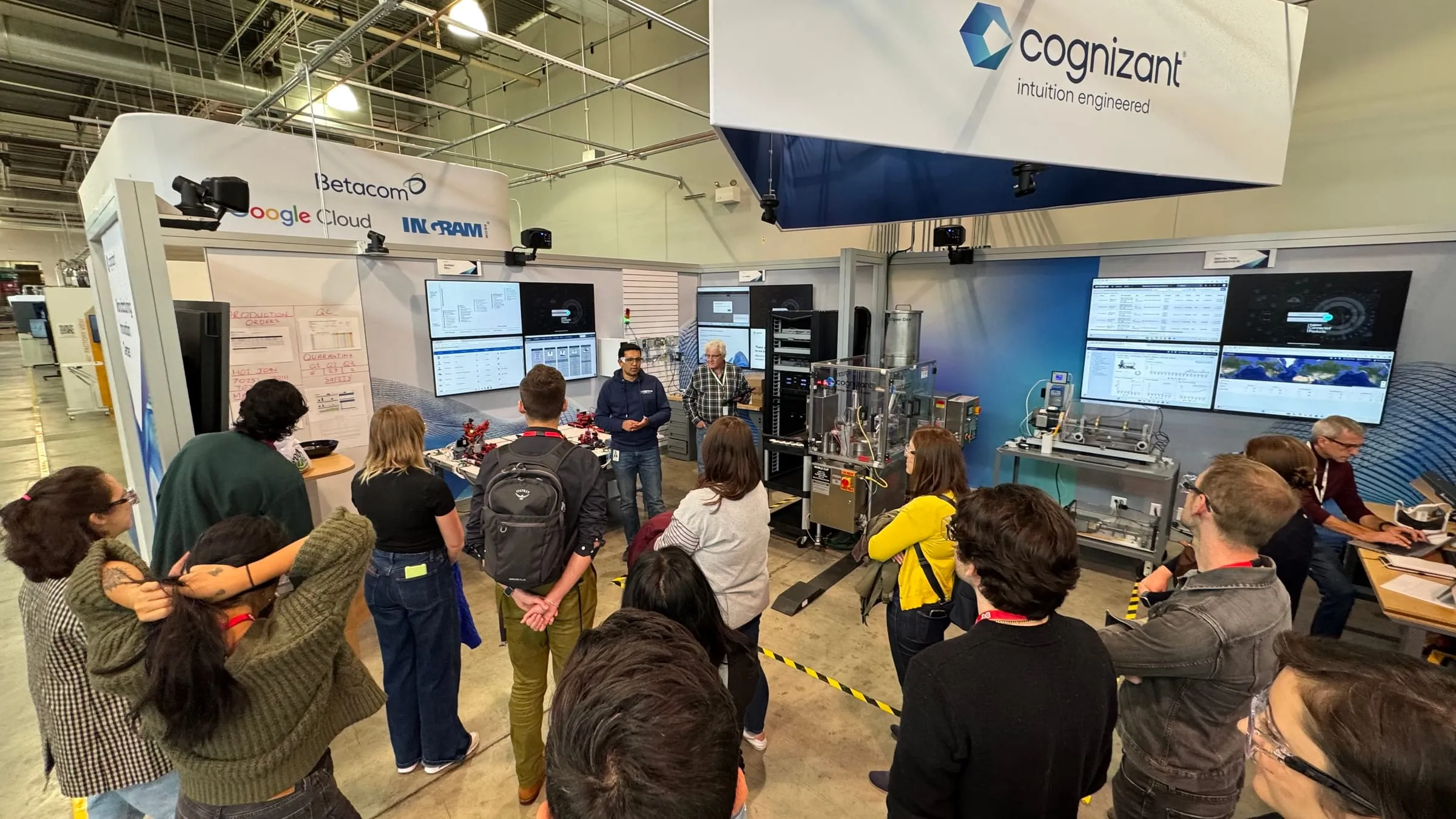
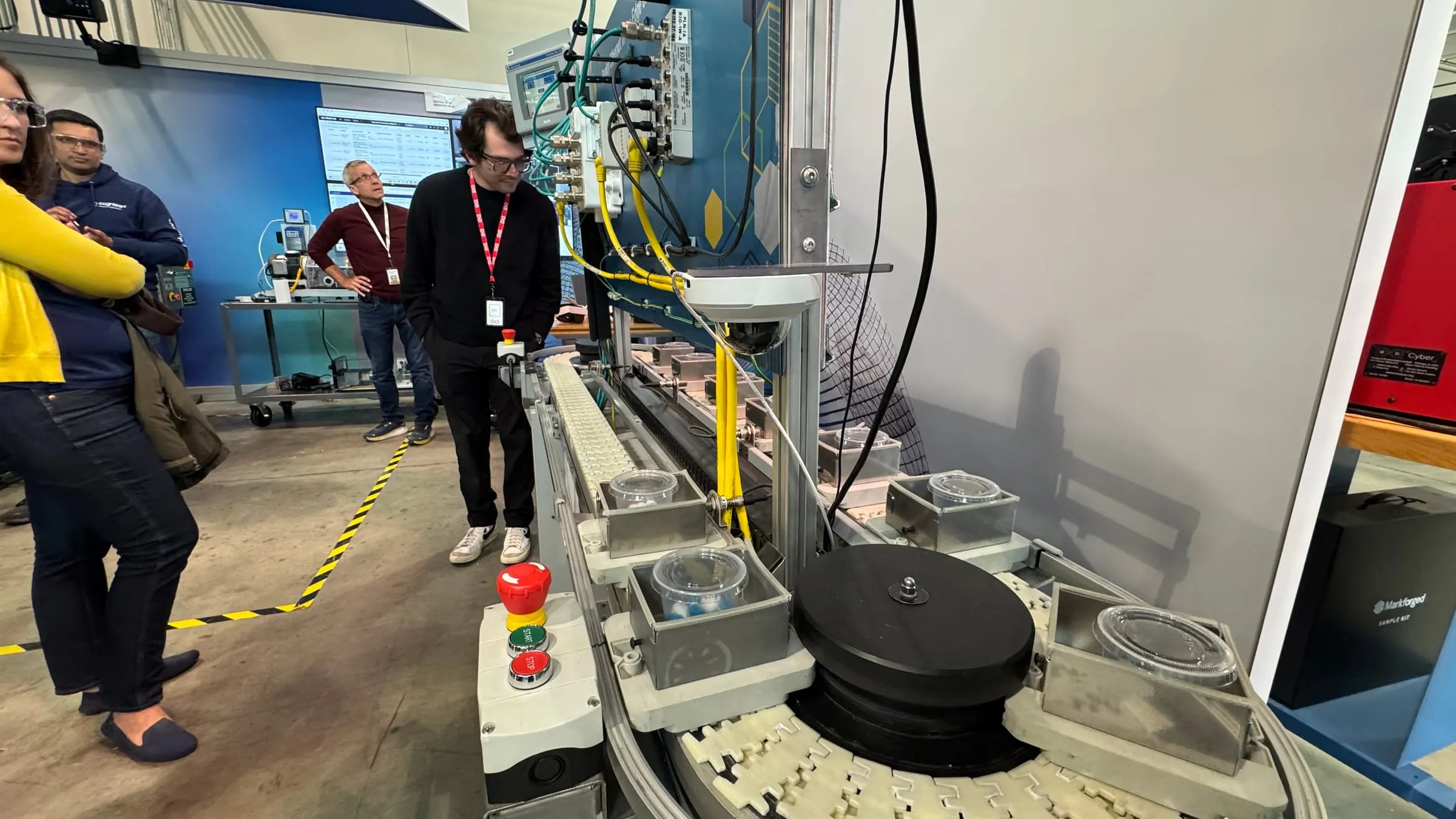
Our team was also provided an opportunity to visit our Cognizant friends in an OT (Operations Technology) warehouse to learn more about the intersection of device manufacturing and IT (Information Technology). This helped my team immerse into the value that user-centered software can provide for the countless use cases that OT provides.
Our approach to prototyping
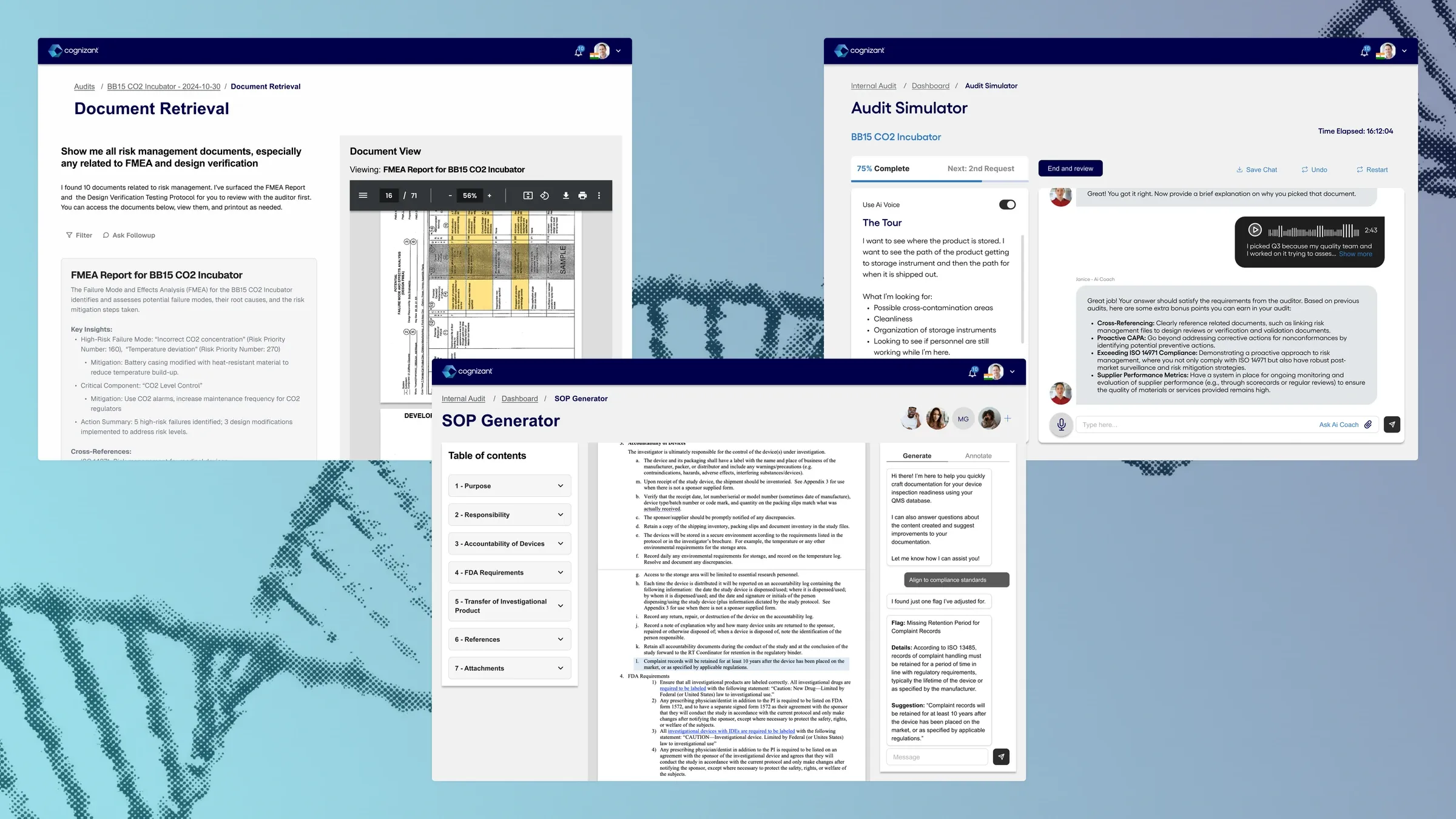
By taking previously-defined stakeholder interviews, process overviews, and business-led use cases, our team was left with creating the “art of the possible.” This meant taking a meticulous look at the pain points described through certain audit subprocesses, and thinking of ways in which modern software can help alleviate challenges.
Our teams were particularly inspired by the proposed use cases leveraging Generative AI – at the time in 2024, numerous innovations at Cognizant were in flight to leverage conversational, RAG-based, and agentic systems to solve for critical business needs.
We were fortunate enough to be granted access to using the suite of tools for our use case (as they’re configurable for use cases via plug-and-play), however, we quickly realized a gap in the experience of using them.
“Why is this tool so damn unusable? It’s like the developer built it for the AI themselves.” -Actual quote from unnamed designer, 2024
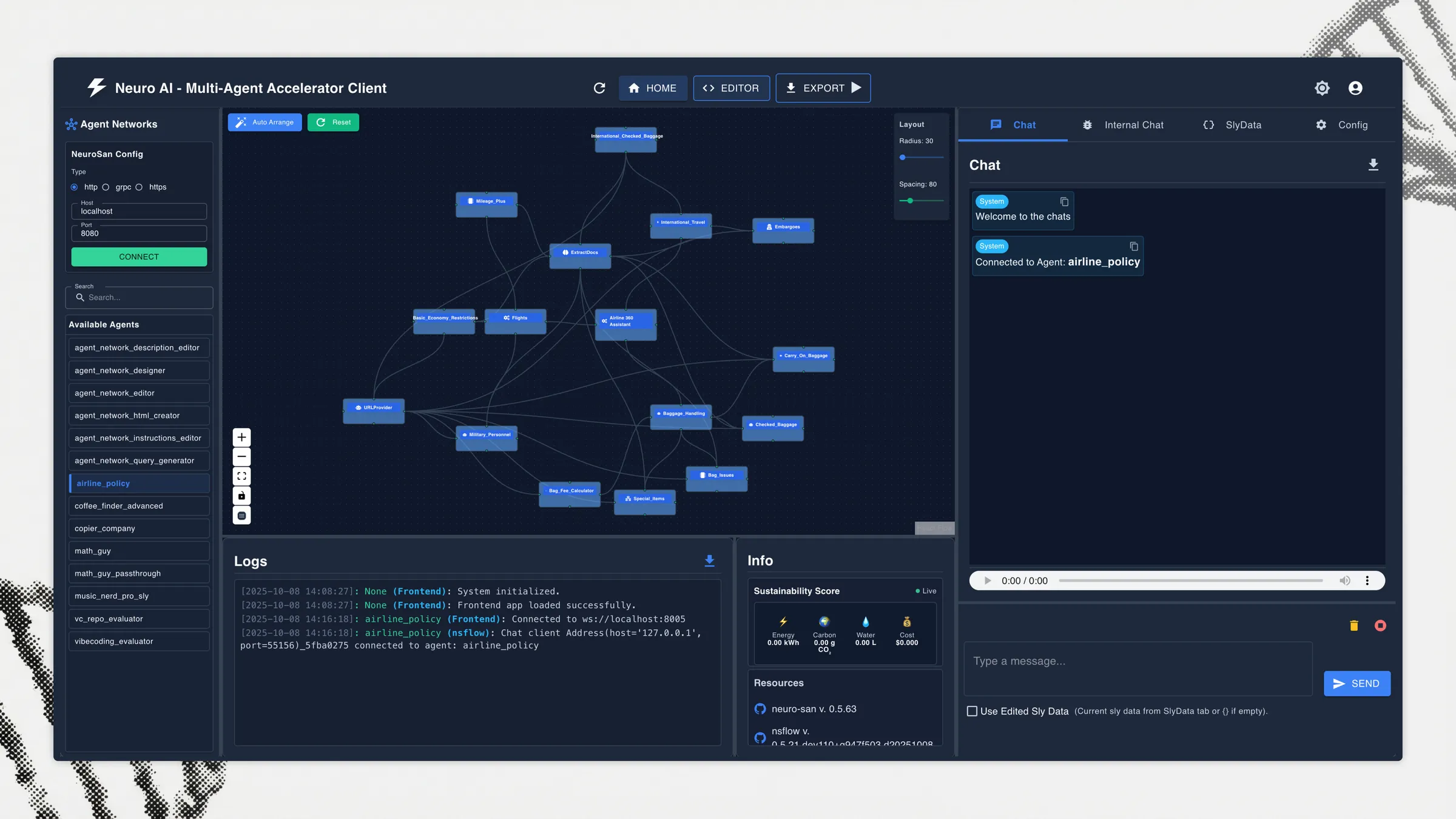
This proved an opportunity space for me and my team to reimagine these experiences with human auditees at the core.
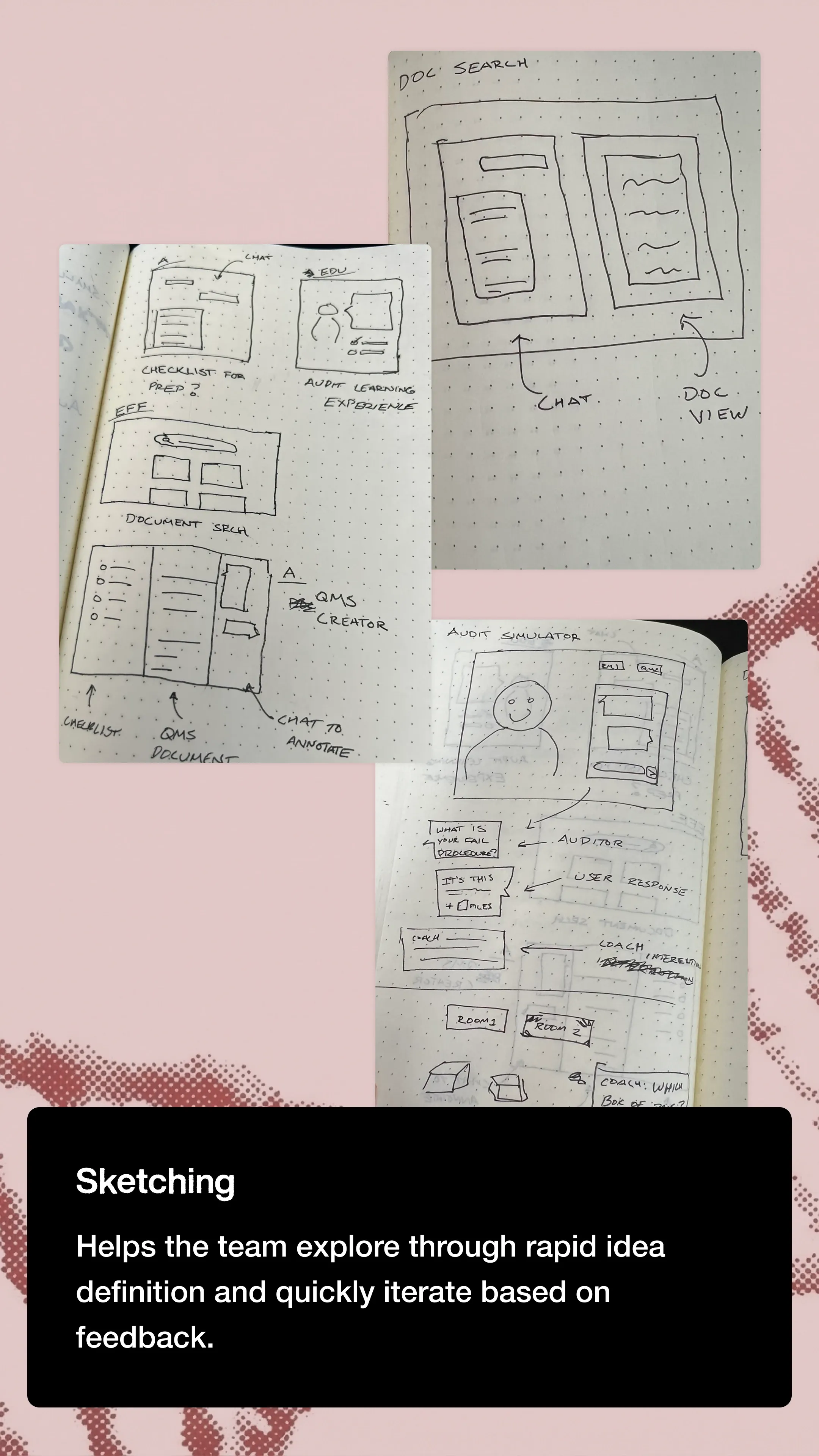
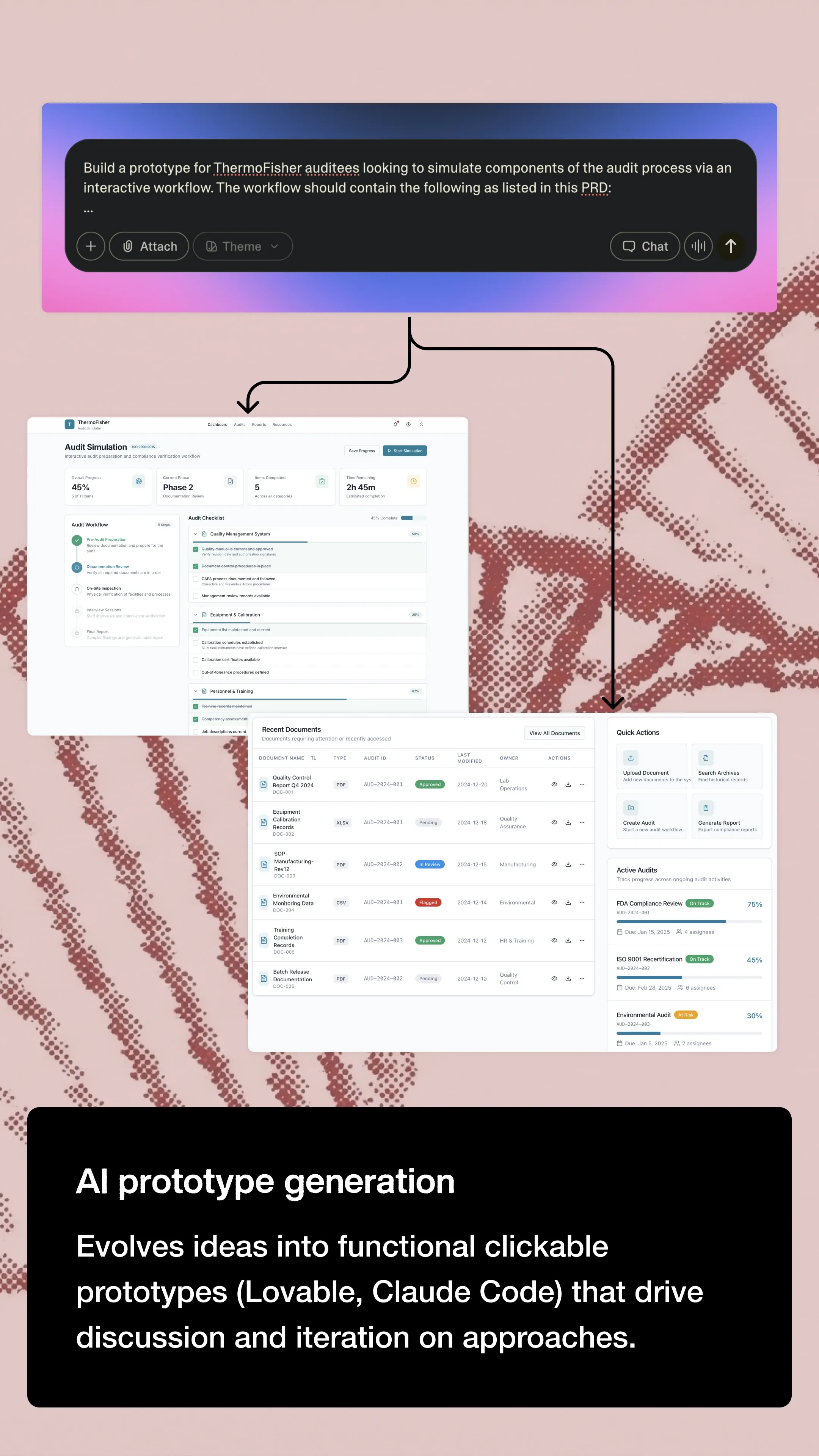
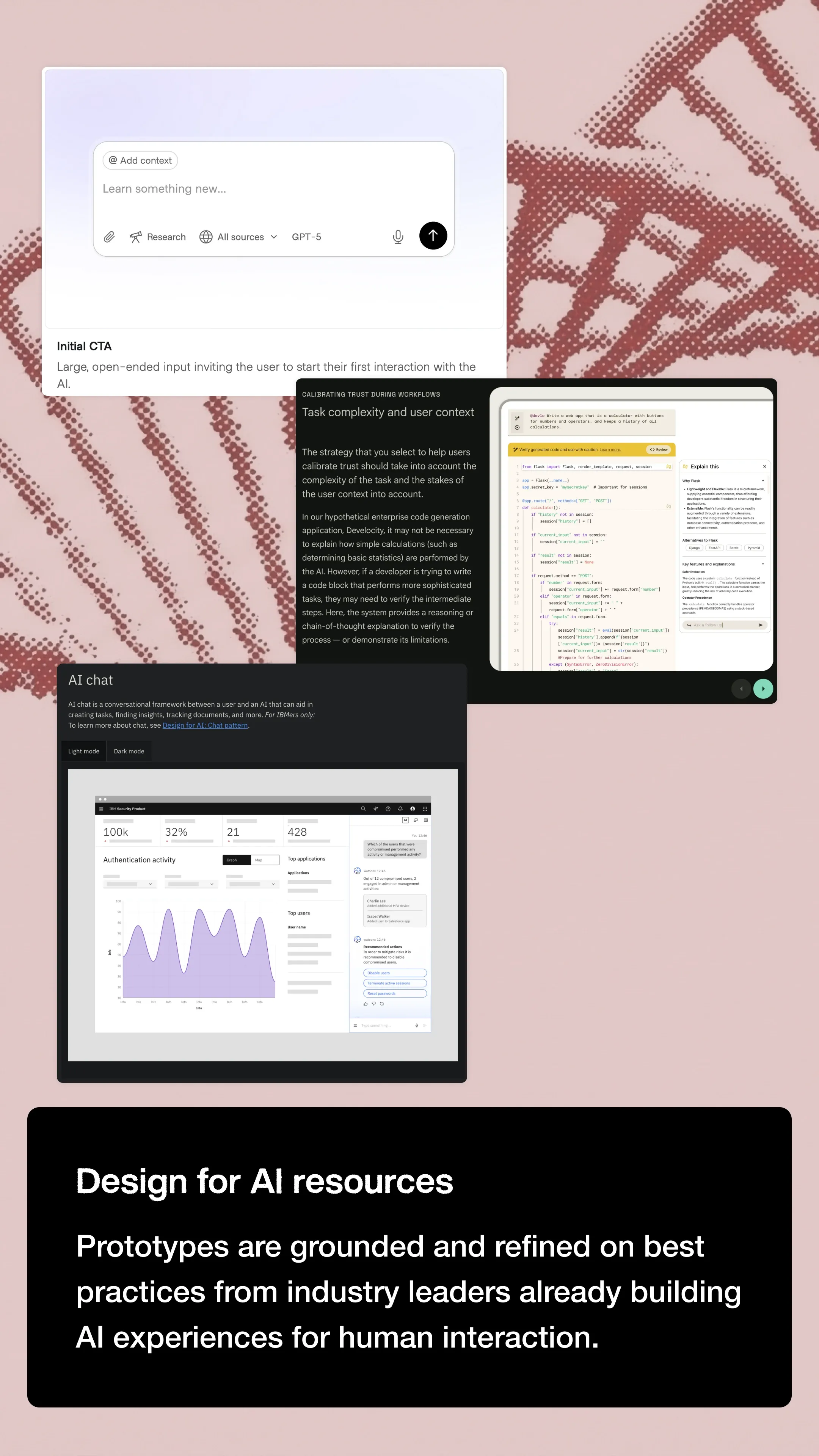
I engaged our team through ideation activities in sketching, AI prototype generation, and doucmentation review on building Generative AI design. This approach helped the team articulate ideas and the reasoning of how each idea directly drives value to auditee participants at TFS.
Final outcomes
Our team was brought into Life Sciences business unit discussions to present these ideas. Three of our four prototypes were shared with ThermoFisher teams to present fresh ideas solving for the challenges that exist within audit process workflows. Furthermore, injecting our strategic design thought leadership helps sell the speed and value of human-centered design to traditionally engineering-led projects.
We don’t know whether these prototypes have materialized into software build workstreams. What we do know is the positive feedback and insights received contributes to the value of continuing a multi-million dollar strategic partnership between ThermoFisher and Cognizant in building a better future for health.